TL;DR
The U.S. has eliminated the $800 de minimis exemption, meaning all shipments—regardless of value—are now subject to customs duties, taxes, and formal clearance procedures. For businesses using express couriers (like DHL, FedEx, or UPS), this means surging per-package handling fees, strict automated customs rejections, and a high risk of surprise charges for recipients. To mitigate these costs, smart shippers are pivoting to general air freight forwarding. By consolidating shipments, leveraging flexible customs clearance, and integrating with local 3PL warehouses, freight forwarders offer vastly superior cost efficiency and risk mitigation in this new regulatory environment.
The landscape of international shipping to the United States has fundamentally shifted. Following a series of regulatory updates and executive orders, the U.S. government has officially eliminated the duty-free de minimis treatment for low-value shipments [1].
Previously, individual packages valued under $800 could enter the U.S. without formal customs declarations or duty payments. Today, that loophole is closed. Every single parcel, regardless of its value, is now subject to import duties, taxes, and stringent customs scrutiny.
For e-commerce businesses, manufacturers, and exporters in Hong Kong, this regulatory shift creates a massive administrative burden and threatens profit margins. However, it also presents an opportunity to rethink logistics strategies. As the cost of shipping small parcels via express couriers skyrockets, businesses are increasingly turning to general air freight services to protect their bottom line.
The Impact of the U.S. Tariff Changes
The abolition of the de minimis threshold has triggered three immediate challenges for businesses exporting to the U.S.:
- Abolition of the Tax-Exempt Threshold: All shipments are now subject to duties and taxes, ending the era of tariff-free cross-border e-commerce for low-value goods.
- Increased Costs & Administrative Burden: Import declarations, duty payments, and administrative handling fees are now mandatory for every single small-parcel and courier shipment.
- Risk of Charges to Recipients: If duties are not collected upfront during checkout (Delivered Duty Paid), recipients face unexpected charges upon delivery, leading to increased return rates and customer disputes.
Why Non-Courier Logistics Providers Are the Solution
Even as regulatory scrutiny tightens, non-courier logistics providers—such as freight forwarders and specialised e-commerce logistics firms—remain highly attractive compared to traditional express couriers. Their primary advantages stem from cost optimisation, customs flexibility, and superior handling of bulk cargo.
1. Superior Cost Efficiency (Mitigating Flat Duties)
Traditional express couriers charge high administrative handling fees per package for customs clearance. When every $50 item requires a formal declaration, these per-package fees quickly destroy profit margins.
By partnering with a freight forwarder, businesses can drastically reduce these fixed fees. Forwarders generally offer more flexible volumetric weight formulas compared to the strict, premium billing methods of major couriers. Furthermore, by utilising consolidated shipping services, shippers can enjoy significantly cheaper air freight rates based on the actual space utilised by the freight.
2. Flexible Customs Clearance & Risk Mitigation
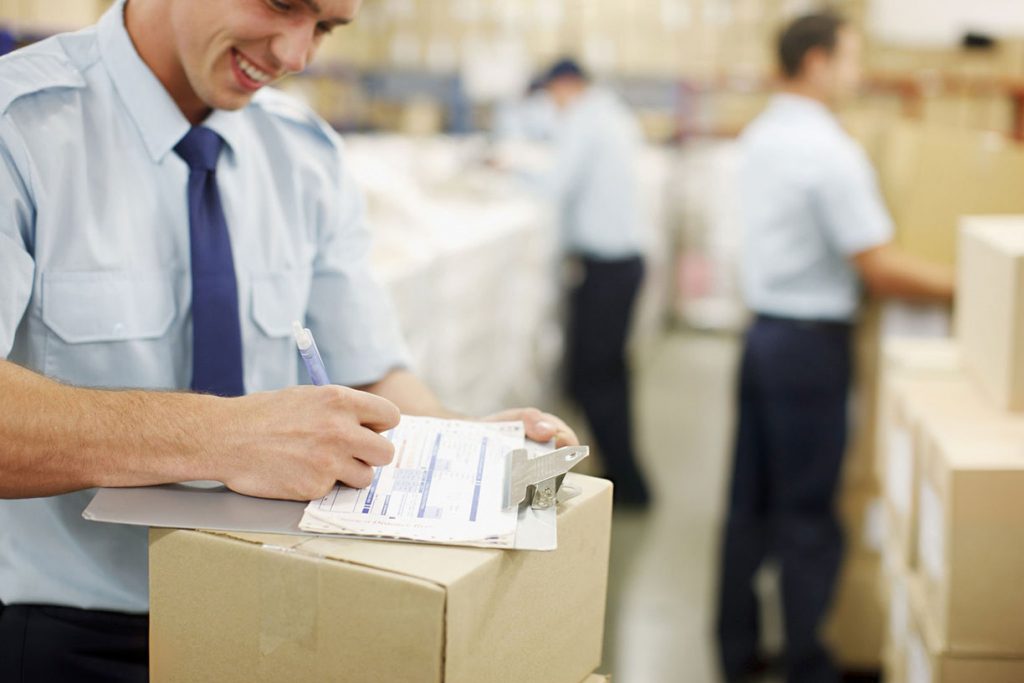
To maintain their tight flight schedules, major express couriers apply highly automated, rigid customs checks. Minor documentation discrepancies often result in immediate return-to-sender (RTS) actions, which are notoriously expensive.
Freight forwarders offer a smarter approach:
- Consolidated (Bulk) Clearance: Forwarders can group multiple individual orders into a single bulk shipment for clearance. Once the consolidated shipment enters the U.S., it is broken down for local last-mile delivery. This dramatically lowers the per-unit clearance fee.
- Expertise & Negotiation Power: Forwarders provide personalised support for complex HS code classifications and duty negotiations. At NECL, our Import/Export trade service team acts on your behalf to manage all trade-related operations, ensuring compliance and helping to minimise applicable tariff rates.
3. Comprehensive Logistics Network & Value-Added Services
Shipping individual parcels directly from overseas via express courier is no longer viable for high-volume sellers. Instead, the modern supply chain relies on integration.
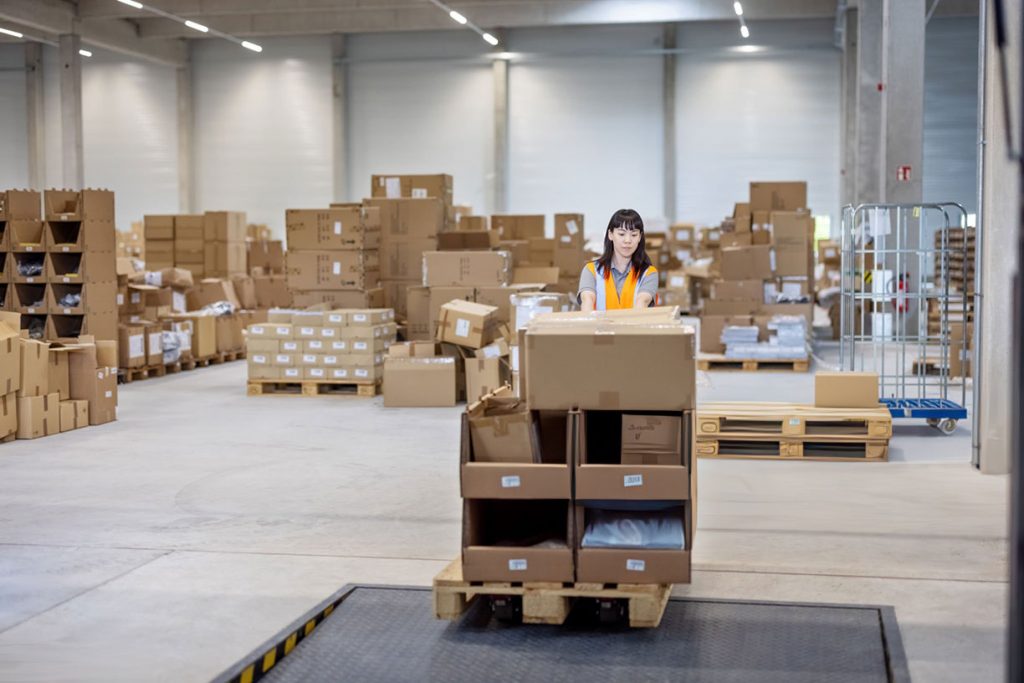
By shipping inventory in bulk via air freight to local U.S. warehouses (3PL), businesses can dispatch orders domestically. This is far cheaper and faster than international parcel delivery. Furthermore, local fulfilment partners make handling returns, inspections, and re-processing much more feasible, avoiding the exorbitant return-shipping fees charged by international couriers.
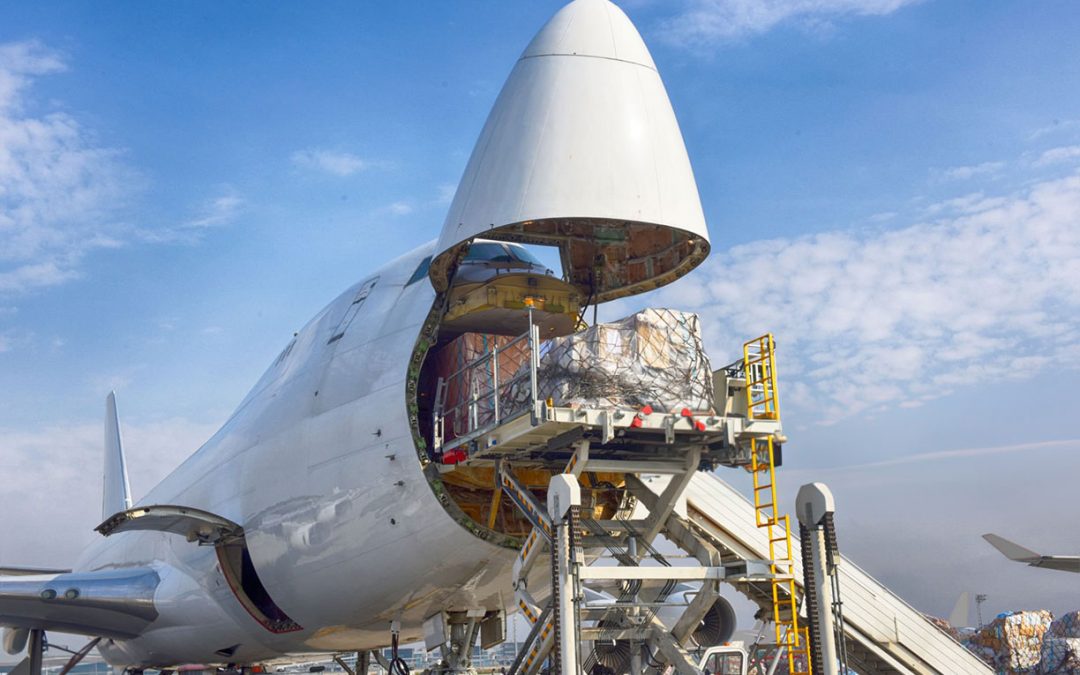
For businesses dealing with high-volume or oversized cargo, forwarders holding contracted airline block space offer vastly superior pricing power and flexibility.
Future-Proof Your Supply Chain with NECL
The elimination of the U.S. de minimis exemption is a wake-up call for exporters. Relying on express couriers for cross-border shipping is becoming an unsustainable strategy due to compounding fees and rigid customs processes.
At Nippon Express NEC Logistics Hong Kong, we provide flexible and dependable air freight forwarding services. From general air freight and charter services to highly efficient consolidation management, our team works closely with you to navigate complex tariff environments. Furthermore, our cloud-based Visibility platform ensures you maintain complete transparency over your supply chain, tracking your cargo from consolidation to final delivery.
Don’t let new tariff regulations erode your profits. Switch to a logistics partner that offers the scale, flexibility, and expertise needed to thrive in today’s global market.
Frequently Asked Questions (FAQ)
What does the end of the U.S. de minimis exemption mean?
It means that the previous rule allowing shipments valued under $800 to enter the U.S. duty-free has been abolished. All shipments are now subject to customs duties, taxes, and formal clearance processes.
Why are express couriers becoming more expensive for U.S. shipments?
Express couriers charge administrative and customs clearance fees on a per-package basis. With the removal of the tax-exempt threshold, these fixed fees are now applied to every single low-value package, drastically increasing total shipping costs.
How does air freight forwarding save money compared to express couriers?
Freight forwarders use consolidated clearance, grouping multiple orders into a single bulk shipment. This significantly lowers per-unit customs clearance fees and offers more favourable volumetric weight calculations.
Can NECL help with U.S. customs documentation?
Yes. Our Import/Export team provides comprehensive trade services, managing complicated administrative tasks, confirming license requirements, and ensuring smooth customs compliance.
Is it better to ship individual orders from Hong Kong or use a U.S. warehouse?
Under the new tariff rules, shipping inventory in bulk via air freight to a U.S.-based 3PL warehouse and fulfilling orders locally is generally much more cost-effective than shipping individual parcels internationally via express courier.
References
-
[1] The White House. “Suspending Duty-Free De Minimis Treatment for All Countries.” July 30, 2025. https://www.whitehouse.gov/presidential-actions/2025/07/suspending-duty-free-de-minimis-treatment-for-all-countries/